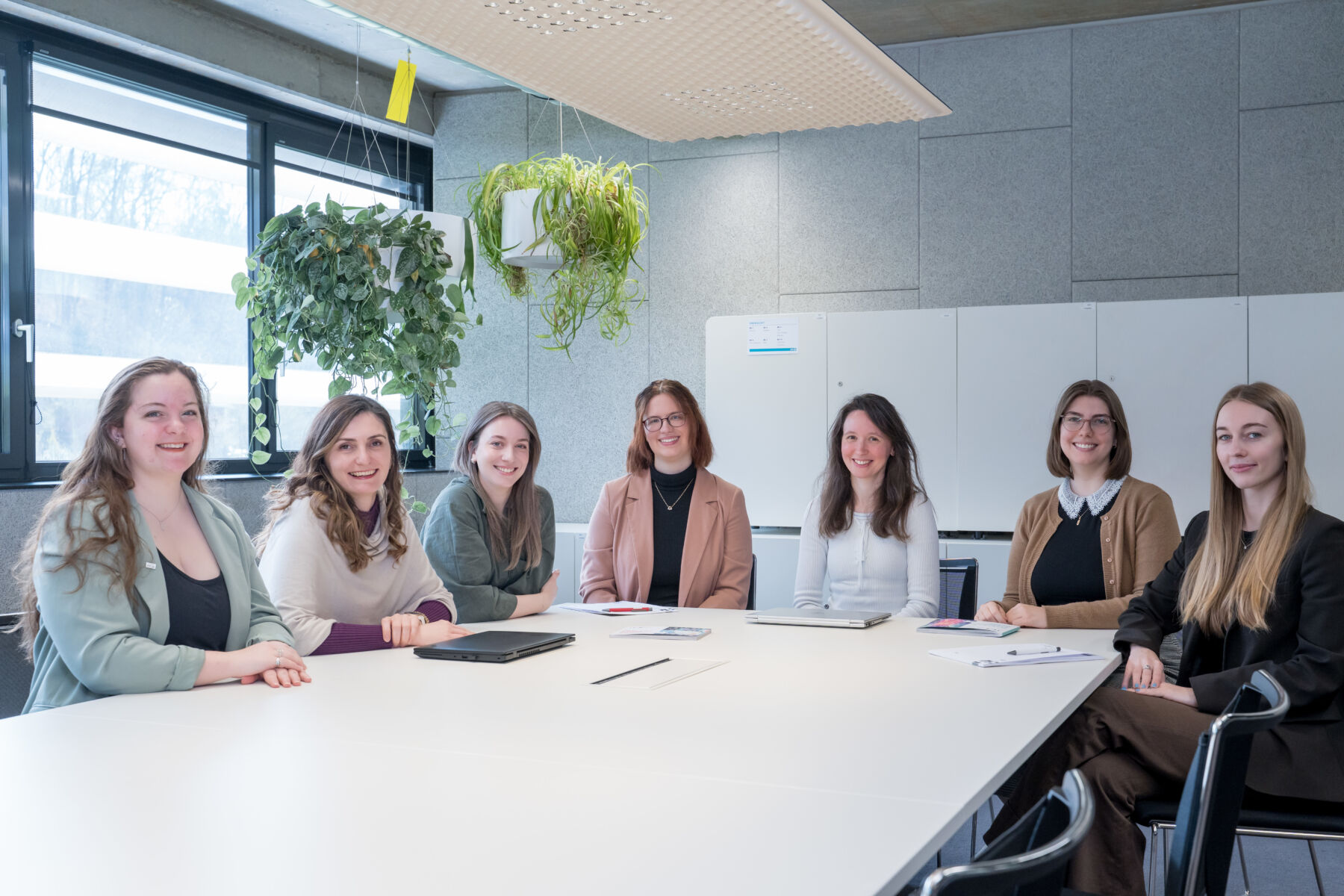
Designing Interactions
Design how people experience technology. From AI to immersive environments, learn how to create systems that are meaningful, usable, and trusted in real-world contexts. Designing Interactions focuses on how humans and technology meet. You learn how to understand humans, their needs, values, practices, aspirations, and goals, and design interactive systems accordingly across technologies such as AI, XR, robotics, and data-driven environments. Instead of building what is possible, you design what people may want.
LearnLabs and technologies
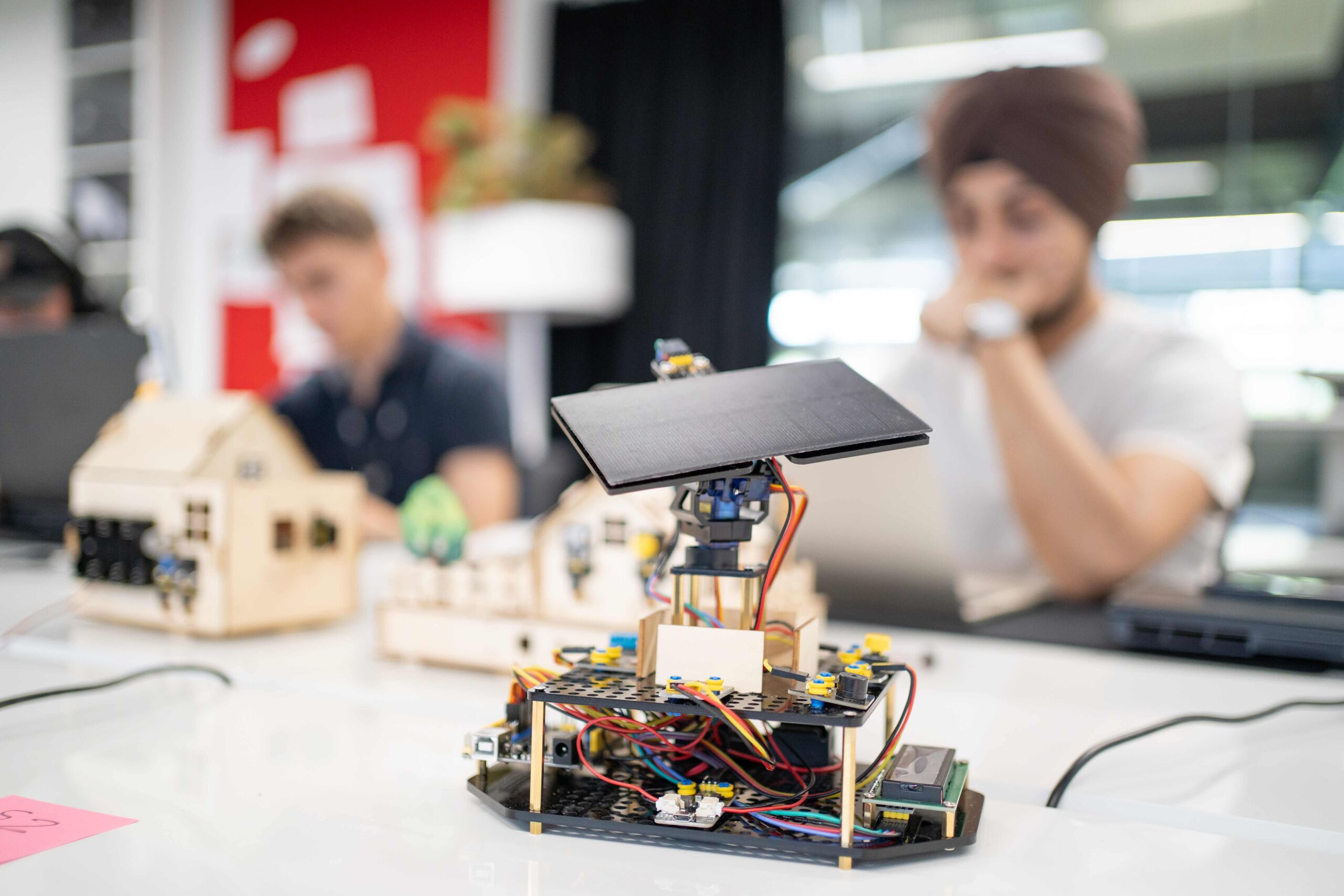
Designing Interactions is closely connected to a network of hands-on labs where you explore how people interact with technology in different forms. Across all projects, you move in iterative cycles from understanding contexts to shaping problems, prototyping solutions, and testing them in real-world settings.
Key technologies and methods include:
Technologies include: AI systems, AR/VR, sensor-based systems, and human-centered data analysis.
Core LearnLabs:
- Human-Computer Interaction Lab (INES) – understanding user behavior and interaction design
- Design Lab (DESY) – developing and prototyping design solutions
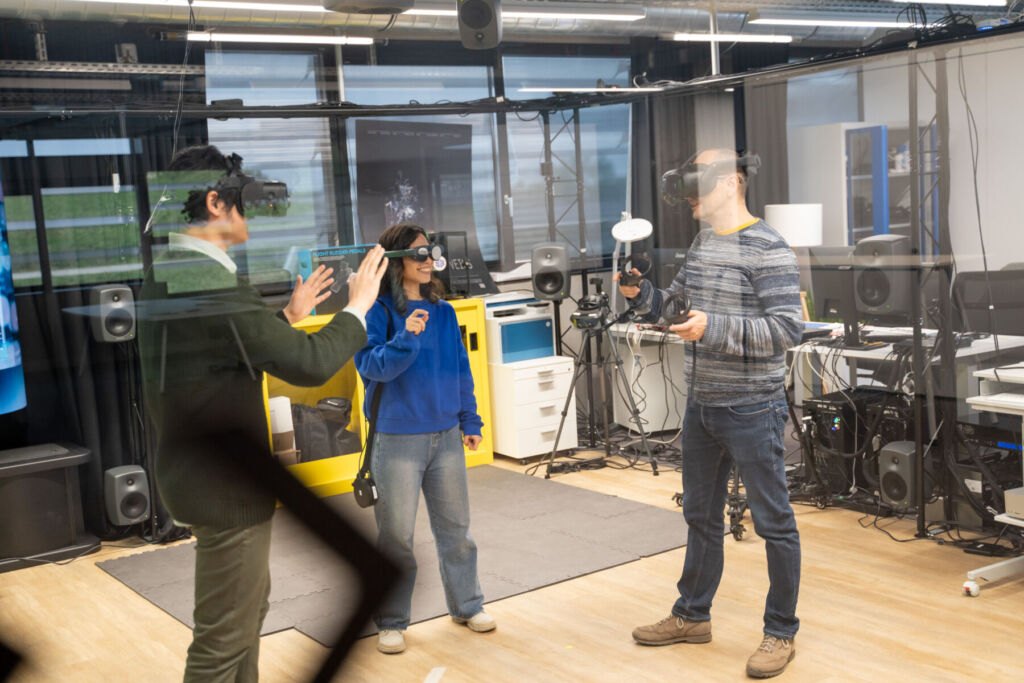
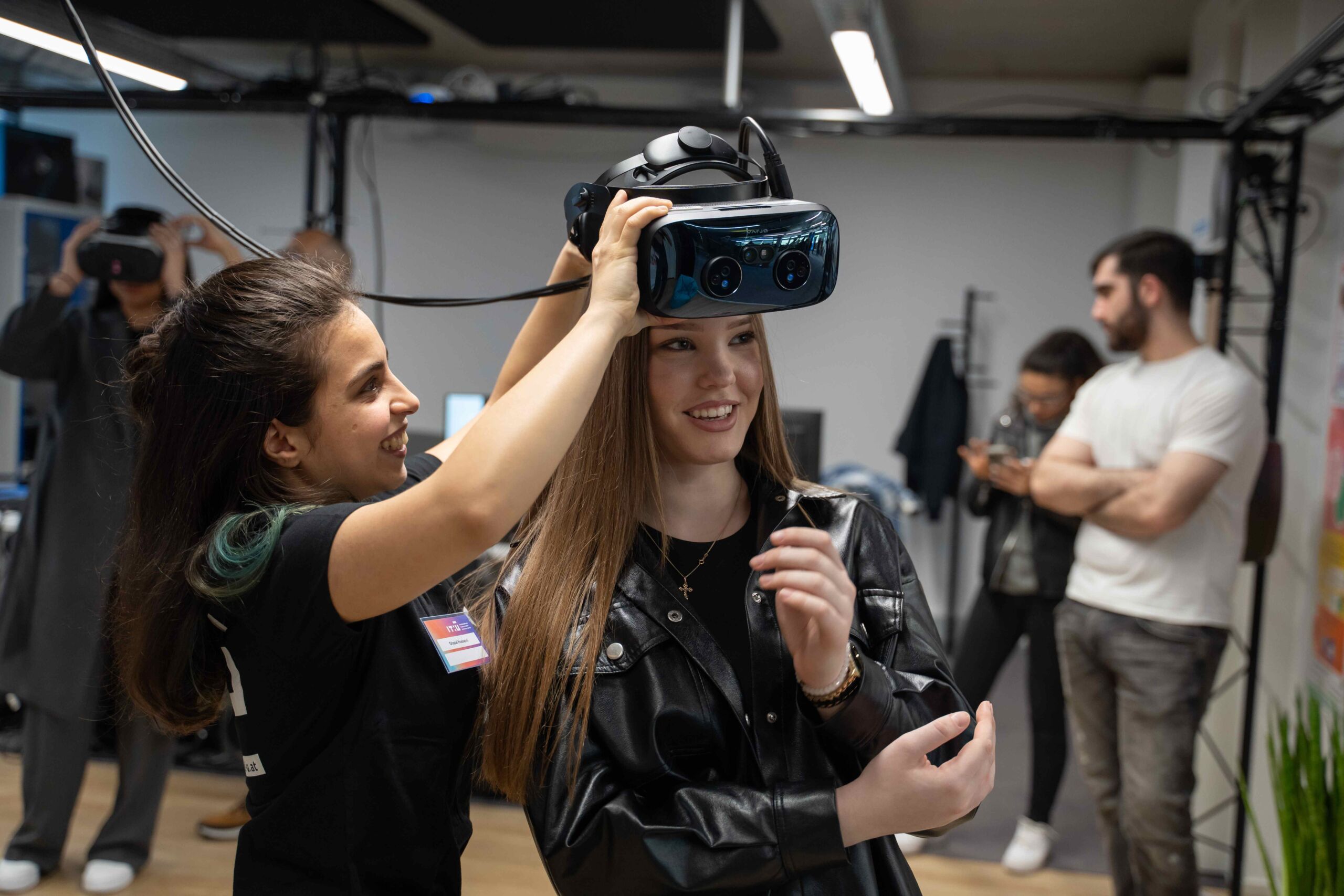
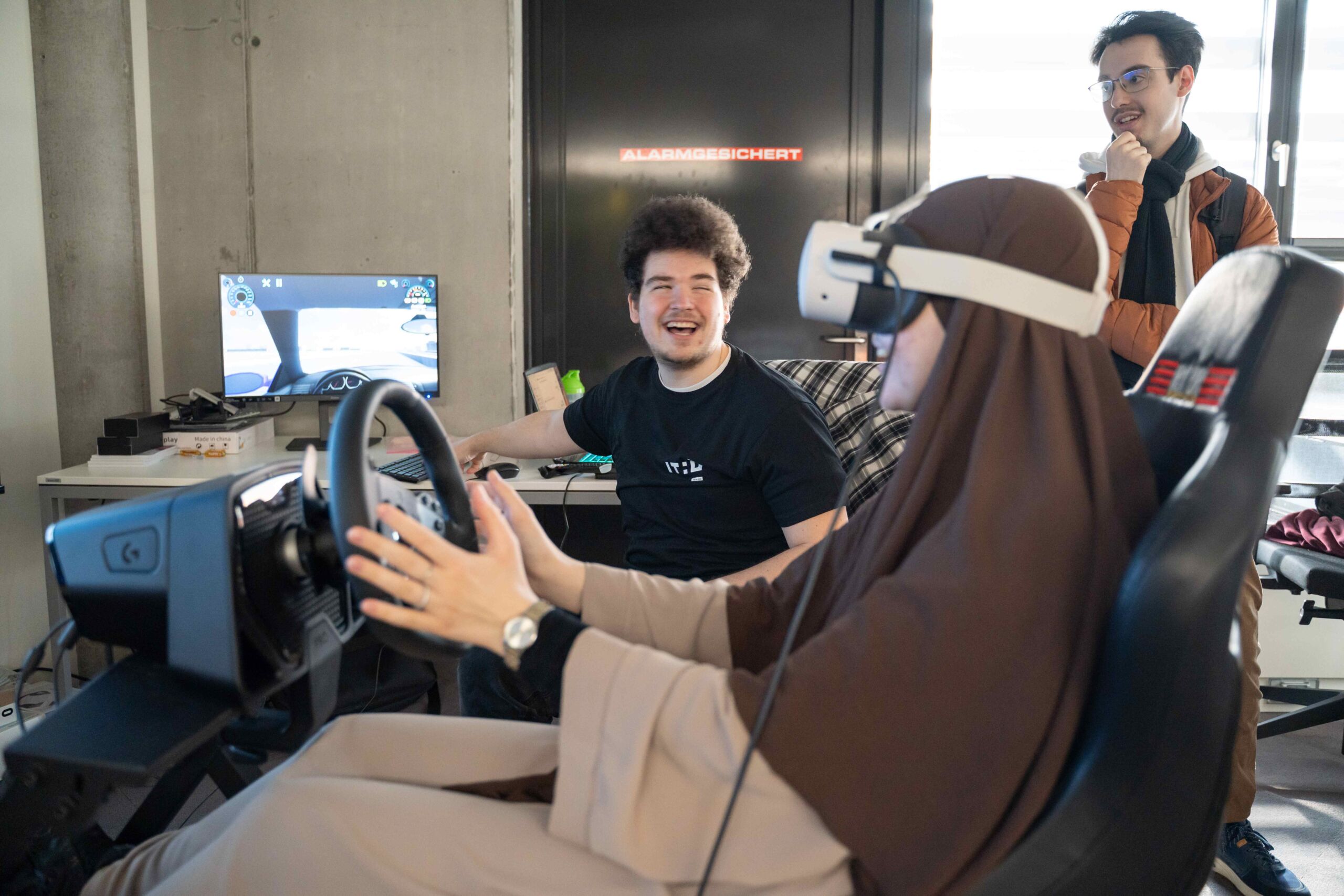
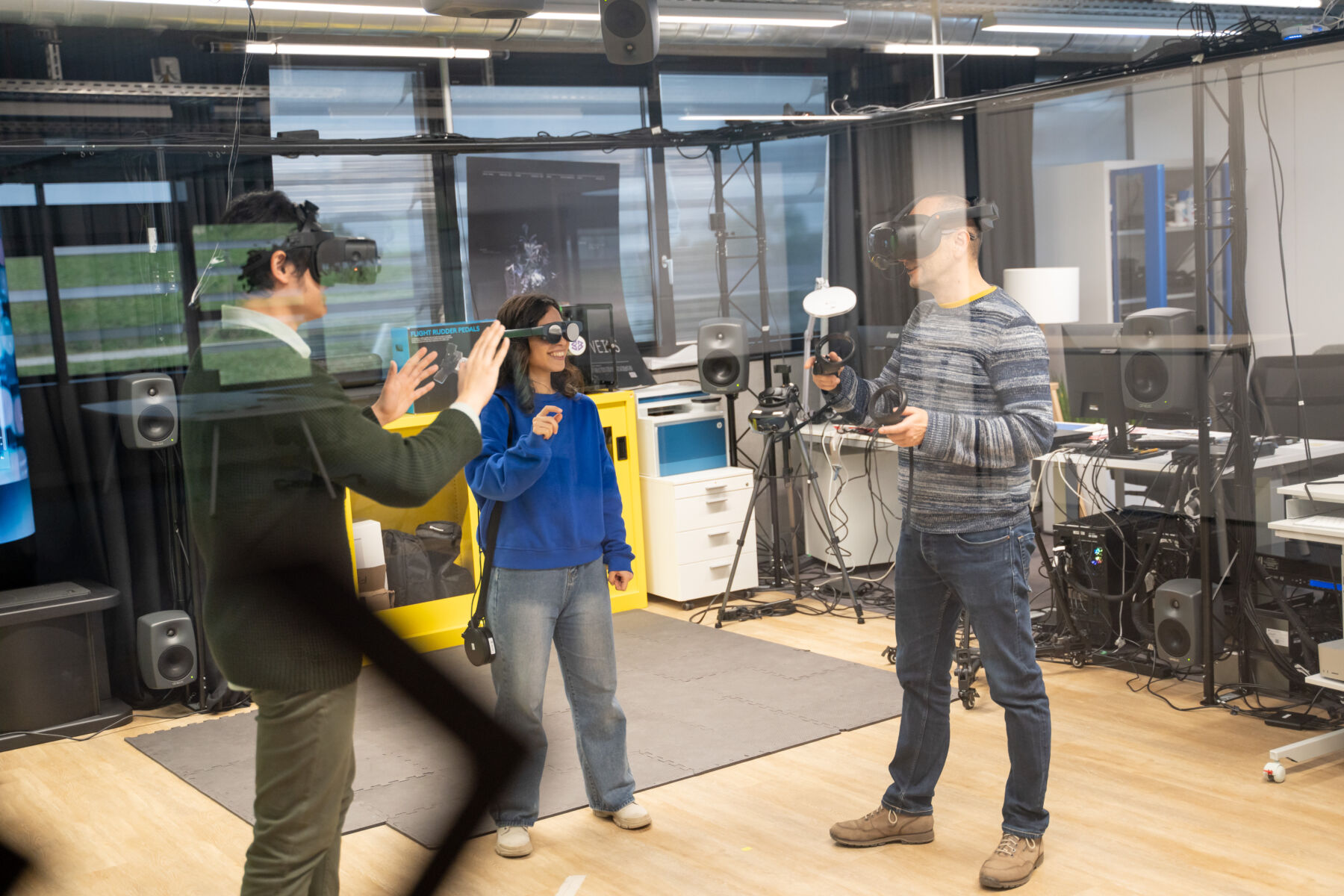
- Extended Reality Lab (RITA) – immersive AR and VR experiences
What you will work on
You work on projects where the goal is to turn an understanding of humans in context into real-world, interactive systems.
Across all projects, you move in iterative cycles from understanding contexts to shaping problems, prototyping solutions, and testing them in real-world settings.
Rather than working on abstract assignments, you develop real prototypes that demonstrate how technology can become more empowering and meaningful.
Typical projects focus on:
- Designing interactions with digital artefacts that are meaningful in people’s lifeworld’s
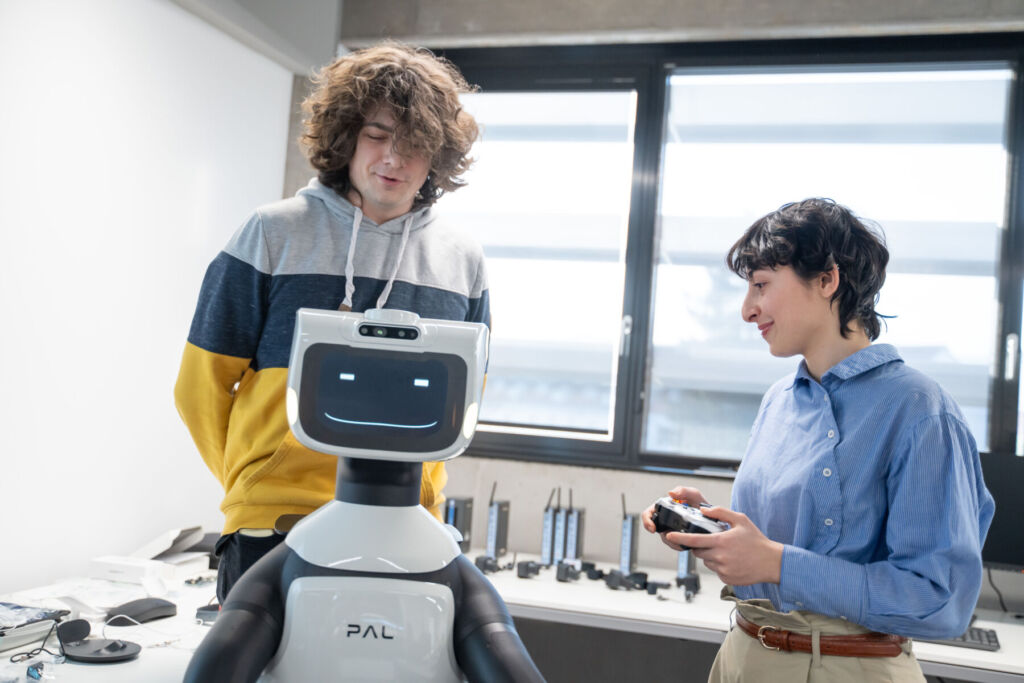
- Prototyping AI-supported experiences that people can understand and trust
- Building immersive AR/VR environments
- Evaluating psychological constructs such as safety or cognitive ergonomics in high-stakes environments
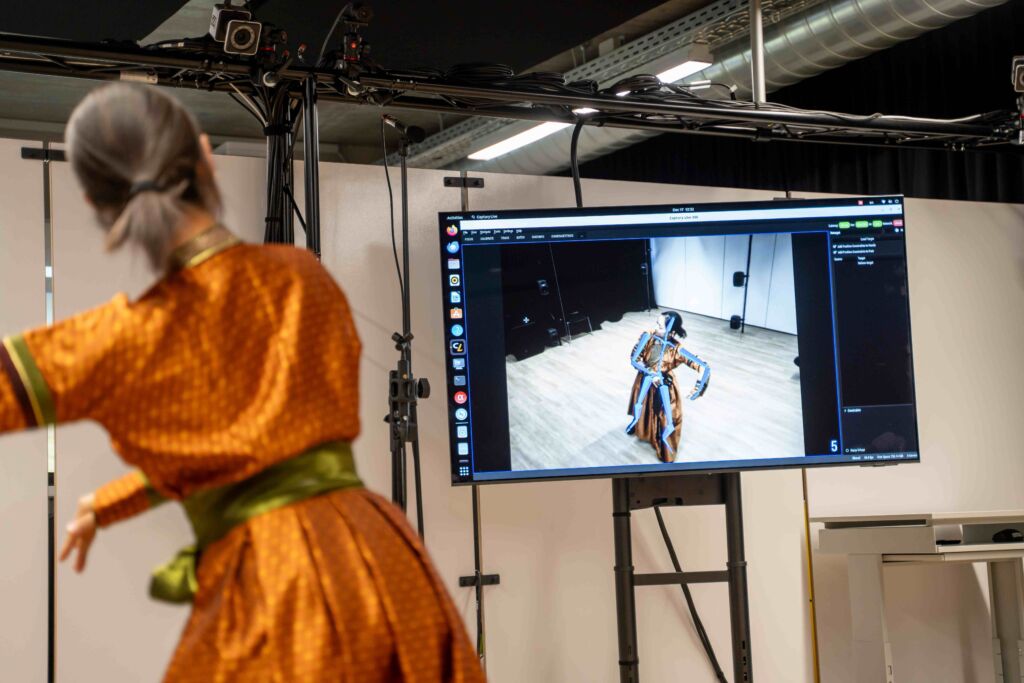
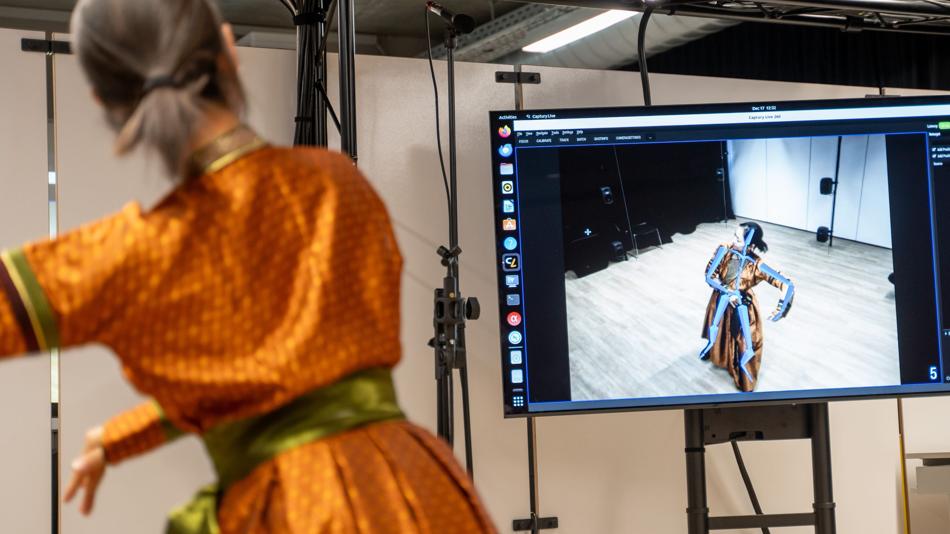
- Exploring interaction beyond screens through movement, sound, or physical systems
- Studying users’ states, traits, subjective responses, or physiological reactions in diverse environments where technologies are present
- Designing computing systems responsibly, considering societal and environmental impacts
Project examples:
- Design an AI-powered app that empowers users to understand complex health or personal data
- Create an AR experience that guides users through a physical environment, such as a museum or training setting
- Prototype a smart interface for mobility or transport systems to make navigation easier and more environmentally friendly
- Build an interactive installation using motion and sound to explore how people respond to digital experiences
- Redesign a digital service around people’s needs and values
Career directions
Rather than preparing you for one fixed job title, this specialization equips you with a critical mindset, hands-on experience, and the ability to connect human understanding with design methods and technological expertise. Your path can take many different directions depending on your interests and projects.
These roles exist across a wide range of industries, from tech and digital product teams to healthcare, mobility, public services, manufacturing, and emerging fields such as immersive media.
Career prospects:
Graduates typically move into roles such as Product Designer, Interaction Designer, UX Researcher, Service Designer, Human Factors Engineer, Human-AI Interaction Designer, or Technology Strategist. Some also continue in academia or research as Research Assistants or PhD candidates in areas such as human-computer interaction, design, or digital technologies.
Who this path is for
Designing Interactions is best suited for students who are interested in both humans and technology, and who want to design how people experience and interact with digital systems in real-world contexts.
You don’t need to come from one specific background, but you should be curious about how people think, interact, and make decisions when using technology.
This specialization is a strong fit for students from bachelor programs such as:
- Design, Industrial Design, or Digital Media – who want to move beyond visuals into interactive systems and user experience
- Computer Science or Software Engineering – who want to understand how computing matters to people.
- Psychology, Sociology, or other Social Sciences – who want to leverage behavioral knowledge for designing digital systems
- Physics, Mathematics, or data-related fields – who are interested in designing data driven systems in real-world contexts or use computational methods to model human behaviour
- Mechatronics, Engineering, or interdisciplinary tech programs – who want to connect technical systems with ergonomics, user experience and interaction
In terms of mindset, this specialization fits students who:
- Want to understand how people make sense of technology
- Enjoy hands-on projects, prototyping, and experimentation
- Are interested in AI, XR, or interactive systems from a human perspective
- Prefer working across disciplines, not staying in one narrow field
 © IT:U
“Explore possible technological futures, designing meaningful interactions with computational artefacts.”Christopher Frauenberger, Professor of Human-Computer Interaction
You want to study at IT:U?
Are you ready to apply and start transforming tomorrow? Click below! We can’t wait to receive your application.
Gain hands-on experience, work across disciplines, and develop the skills needed for industry or academia in a project-based learning environment.