


‘Tuning In’ and ‘Tuning Out’: IT:U stages radio play and discussion on trust in science at Ars Electronica
Presented at Ars Electronica 2026, Posthuman Radio: A Sonic Cabaret explores what happens when voices beyond the human perspective become part of the conversation.
Combining elements of a live podcast, radio broadcast, and a play, it creates a space for researching futures where not just humans thrive.
In that way, IT:U professors and artists, Iohanna Nicenboim, and Ash Eliza Smith, aim to blur the lines between research, art, and public participation. The event focuses on what happens through dialogue, experimentation, and listening.
“It’s a mix of performance, live radio, and sound experiments. We will have human guests and sound pieces from international artists that bring non-human voices into the space, such as field recordings from nature, or sounds from under the sea”, says Johanna Nicenboim, Assistant Professor of More than Human Design and Regenerative AI at IT:U.
Audiences can experience the radio show live at the Digital City Studio, listen to conversations with invited guests, sound experiments, and radio artworks specially programmed for the event.
PLAY AT THE CORE OF IT ALL
Humor and play are at the heart of the event. Dr Nicenboim says this is important since dealing with complex philosophical questions surrounding the future of humanity, including our relationships with AI and the environment, often become so abstract “that people can no longer engage with them.”
“We want to have a conversation about the posthuman condition that is down to earth rooted in the everyday life of people. We want to show how we are already entangled with nonhumans, including other species and artificial agencies,” Dr Nicenboim says.
Bringing these questions into everyday life is important, but an even more urgent shift, she argues, is learning to listen to a wider range of voices: “We want to bring marginalised voices, those normally treated as background noise, to the centre of our attention. This is essential if we are to understand how our own thriving is interdependent with that of other species.”
Amid the intensity of the Ars Electronica festival, the event will offer visitors an opportunity to not only encounter new ideas, but also to pause and relax.
“It is about tuning in and attuning to voices that are often ignored, while also tuning out the noise of the busy streets. We want to create a space for experimenting with alternative ways of knowing and sensing,” Dr Nicenboim says.
The installation will run from September 11th until September 13th at the Digital City Studio in Linz.
People can also listen to the live broadcast on this website: Posthuman Radio.
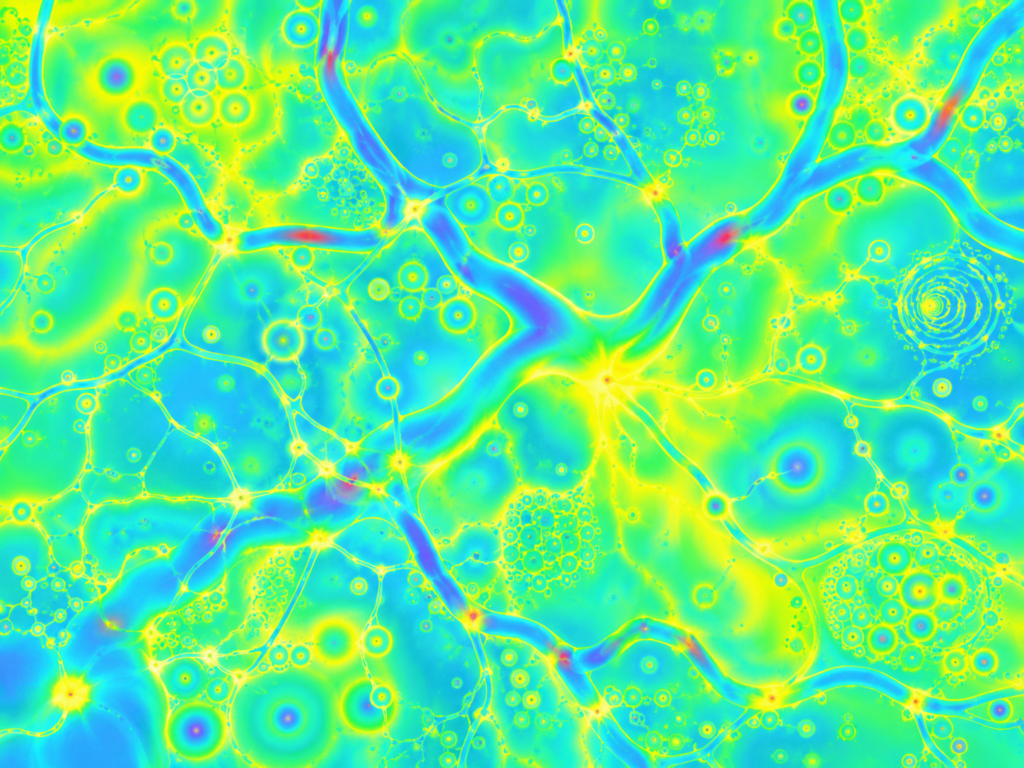
Photo supplied: ‘Staging humans and non-humans together’.
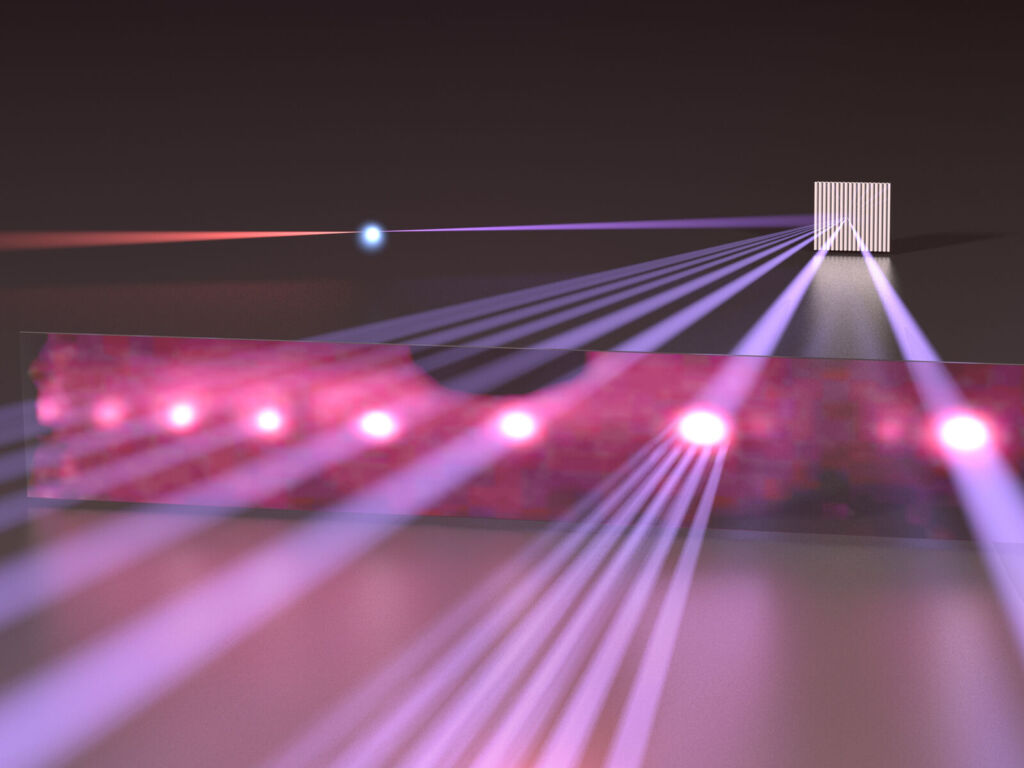
Photo, supplied: ‘Extreme ultraviolet frequency’.
DISCUSSION: TRUST IN SCIENCE IN THE AI AGE
Researchers from IT:U’s Geosocial AI are also taking part in the Ars Electronica Event, with a discussion about trust in science in the age of AI and social media.
In Negotiating Knowledge: Trust in Science in the Digital Age, they will examine how scientific knowledge is generated, communicated and used to build trust in a digital society.
The researchers say it is important as in today’s interconnected world, knowledge is increasingly shaped by AI, algorithms and social media.
“Our lives are deeply dependent on knowledge that almost none of us can personally verify. Thus, strong democracies require reliable, contestable knowledge for informed and trustworthy political decision-making”, Bernd Resch, Professor of Geosocial AI at IT:U says.
As disinformation spreads and societal challenges become more complex, strengthening trust in science has become an urgent issue, they argue.
The discussion will take place at the Digital City studio on September 9 from 4pm until 5.30pm.