

New study: Global steel sector at critical crossroad
The steel sector is at an important juncture, requiring partnerships that enable emerging economies to align their industrial growth with climate goals, researchers say.
Writing in the journal, Nature Climate Change, researchers from IT:U’s Energy Transition and Climate Futures group and the Potsdam Institute for Climate Impact Research say as some Asian countries build their industrial foundations, they risk repeating coal-dependent steel growth seen in industrialized nations, including the boom in China.
“Steel is the backbone of industrialization as it is essential for bridges, rail tracks, cars and machinery, but that industry is currently one of the world’s largest emitters of greenhouse gasses, causing more emissions than the entire European Union.”
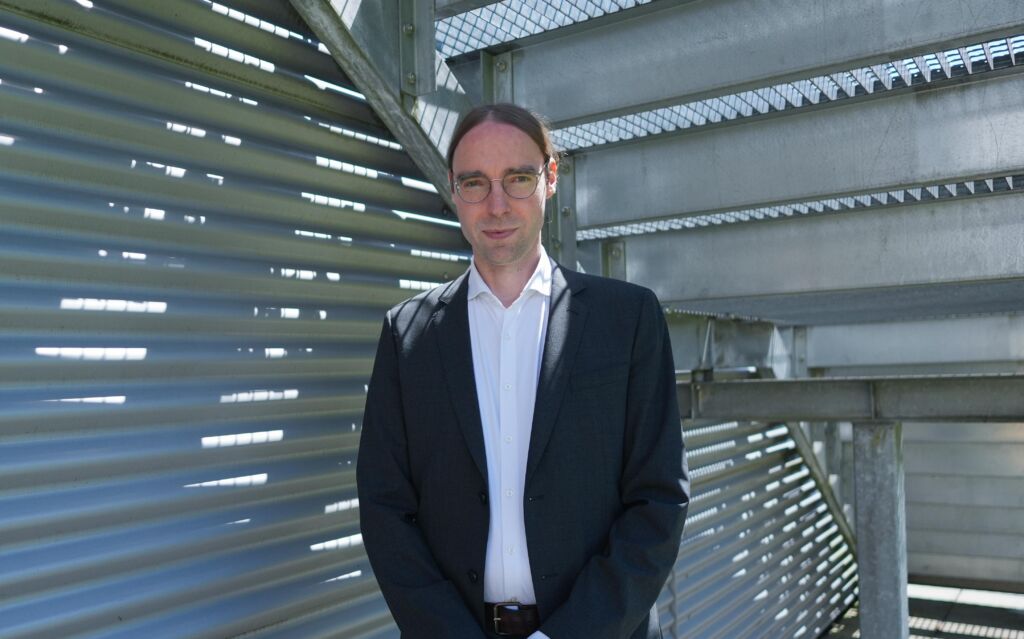
Falko Ueckerdt, Professor of Energy Transition and Climate Futures at IT:U, and guest researcher at the Potsdam Institute for Climate Impact Research in Germany.
Countries, including India, Vietnam or Indonesia will face the choice between traditional coal-based steel production, and production using emerging green technologies, the research explains.
Using computational modelling of global economic, energy and industry systems, the senior author of the paper, Professor Falko Ueckerdt, says should they choose fossil-fuel based production, it would have an impact on global climate goals.
“If you look at the data, current planning is dominated by coal-based steel. If it happens in the same way again, then our climate targets are slipping out of reach. This would commit emissions, over the lifetime of those new steel plants, which would use 20 per cent of the remaining carbon budget.”
Professor Falko Ueckerdt.
Austria could support international innovation by driving global transformation
Austria is well-positioned to contribute to a global industrial transformation through collaborative innovation, the researcher says.
Local steel companies like Voestalpine in Linz and Primetals Technologies are already pioneering green steel pathways, so this presents a major opportunity for knowledge-sharing and technical partnerships.
Professor Ueckerdt notes that Austria could play a vital role in this transition, since “demonstrating that these approaches can work at industrial scale”, he says, “it could help accelerate international learning, innovation and confidence for countries including India, Malaysia and Indonesia as they expand their steel sectors”.
This collaborative approach would foster shared innovation and ensure that global investment is directed toward green alternatives.
Funding support from international bodies: low-cost high benefit ratios
Because steel plants have long lifespans, the industry faces a “lock-in” threat where current investments in coal-based plants commit the planet to decades of high emissions.
However, green steel routes, particularly hydrogen-based production, still involve higher costs and substantial upfront investment before they become the mainstream solution.
Professor Ueckerdt highlights the critical role bilateral and multilateral agreements, next to international climate funds, such as the Clean Technology Fund, could take in financing green steel in these new markets.
“It would be actually a low-cost, high-benefit opportunity to put some of this international green finance into the steel sector.”
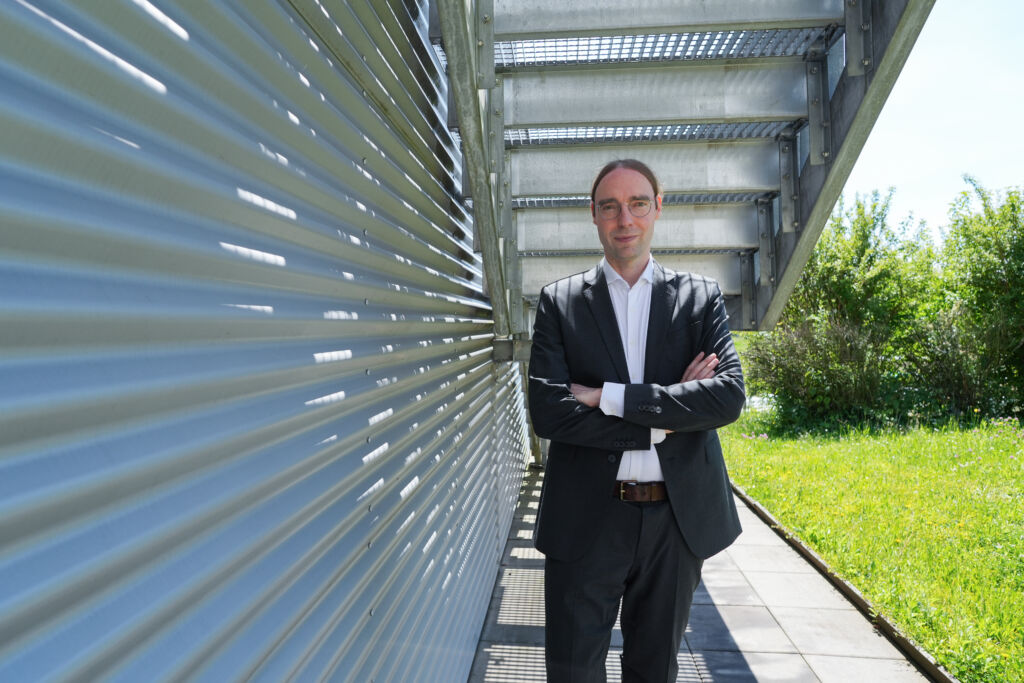
IT:U Professor Falko Ueckerdt.
By funding hydrogen-based steel production in emerging markets, he says, the global community would support affordable long-term decarbonization for a healthy planet.