

What does the future of work look like? Experts gather in Linz.
Experts from around the world are meeting in Linz to discuss how AI will reshape the future of work.
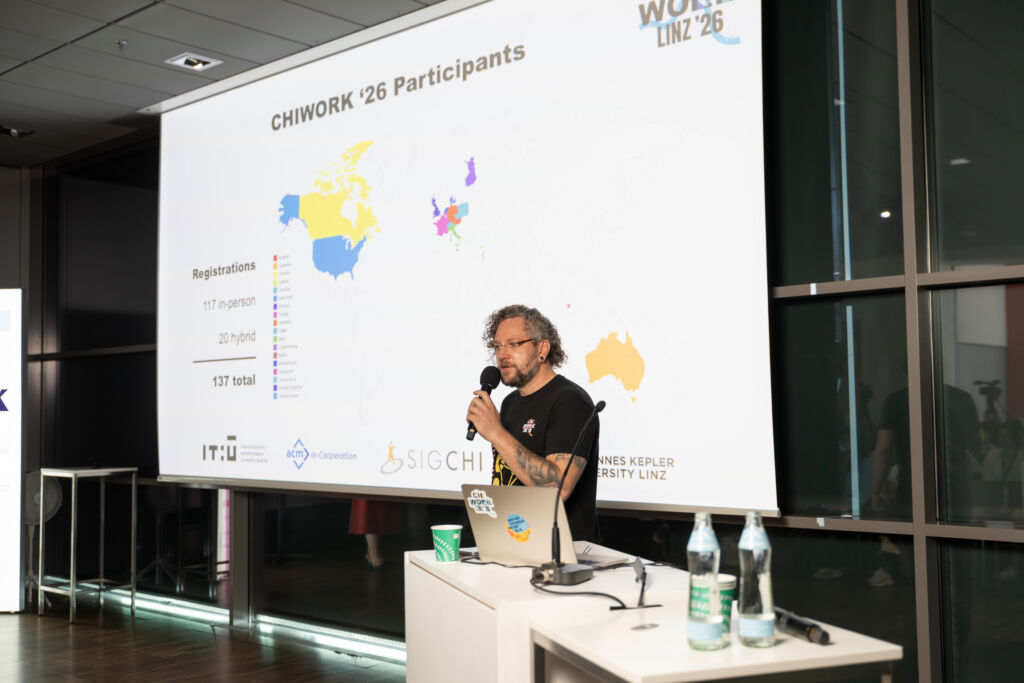
Co-hosted by the IT:U and JKU universities, the Symposium on Human-Computer Interaction for Work (CHIWORK), will bring together worldwide experts to tackle one of the most pressing issues of our time: how AI could change work in a positive way.
But rather than focusing solely on the idea that technology solves every problem, under its theme “Fun, Flow, Friction”, it examines people’s experiences when interacting with technologies.
“History demonstrates that technology rarely improves the workplace automatically just because it promises to.”
Philipp Wintersberger, IT:U Professor of Intelligent User Interfaces.
By putting workers and their interaction with technology center stage instead, it aims to focus on how human-centered design can minimize daily frustrations.
Otherwise, Professor Wintersberger says, the future of work risks “causing more friction than flow”.
Topics wide-ranging
The international audience from leading universities will meet here to discuss research about new working practices, human experiences, and the potentially best integration of AI in this process.
The topics will be wide-ranging from well-being and job satisfaction to new ways of getting work done, as well as new human resources tools.
But they will have one thing in common: the experts will take a “holistic approach”.
Professor Wintersberger demonstrates this with an example from job candidate screenings, where he examines how the HR field could successfully implement new tech tools, without “exchanging old biases for new ones”.
It would also include deciding at which point the automated candidate screening would require “human oversight” to be truly effective and fair.
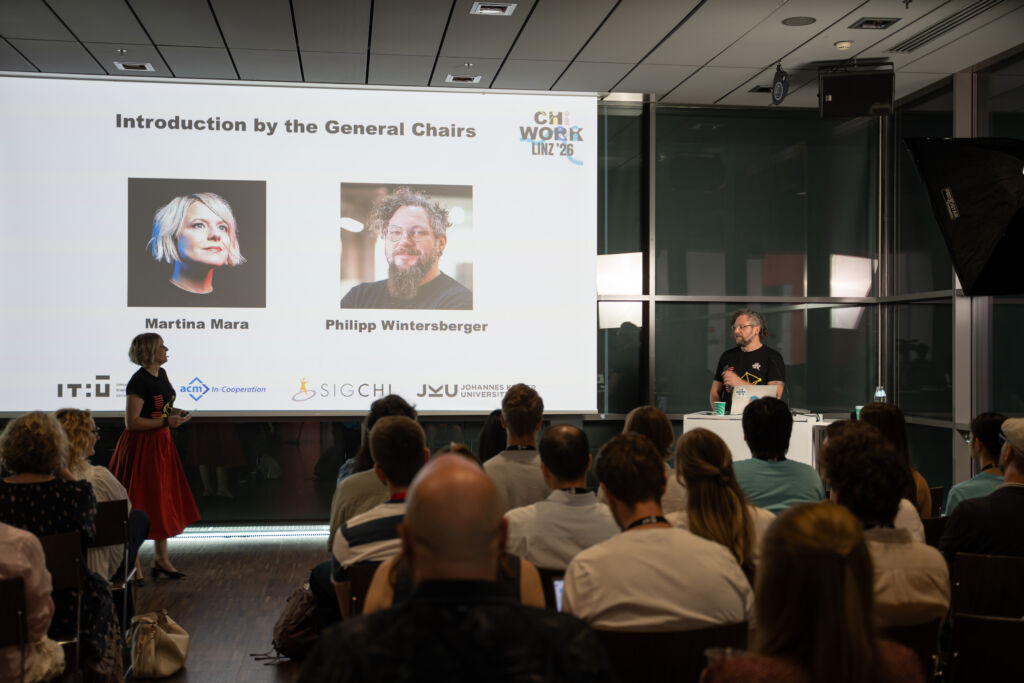
JKU’s Professor, Martina Mara, who is co-chairing CHIWORK with Professor Wintersberger, says “from a psychological perspective, AI assistance brings both opportunities and risks to the workplace. It can help increase self-efficacy among workers who face language barriers, for example, but today’s conversational AI chatbots may also invite over-humanization and over-reliance”.
Her team is presenting a study on this issue in the context of AI-generated workplace emails.
LINZ as tech hub
Hosting CHIWORK highlights the active role the Linzer university sector plays in shaping modern workplaces, Professor Wintersberger says.
The IT:U research teams are also heavily involved in the program, presenting new insights into managing digital multitasking for example.
The symposium is set to show that technology provides the tools, but human-centered design will determine whether organizations and individuals will thrive.
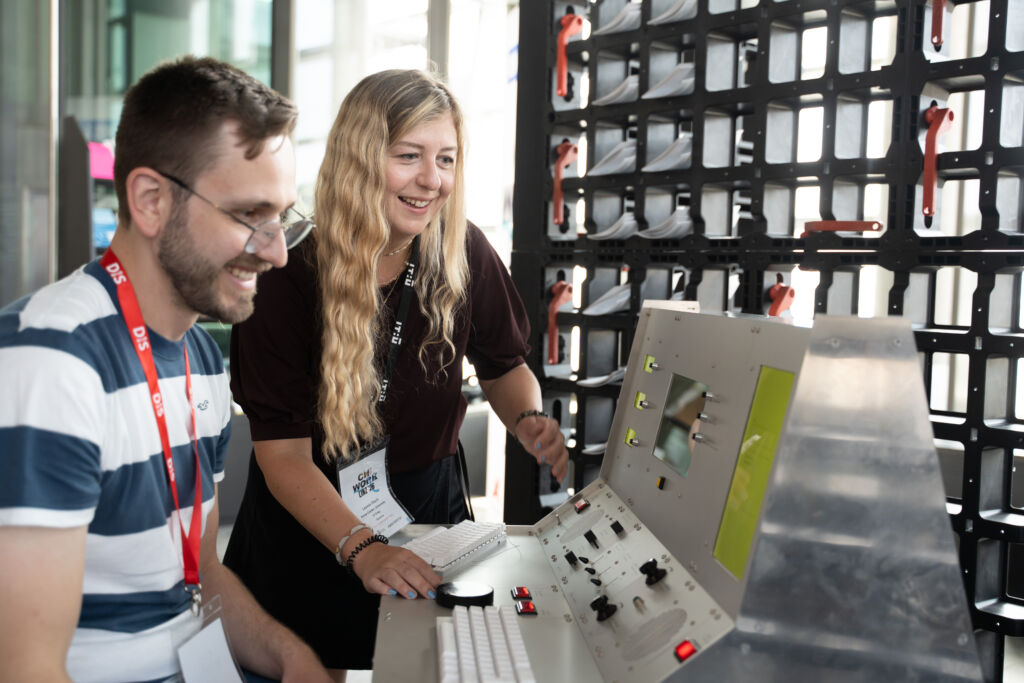
If you want to find out more, visit the demo exhibition that is part of the conference at the Ars Electronica foyer in Linz between June 23rd and 25th.