

First Lecture: Easier and harder than thought. The uneven global energy transition
From Linz to Addis Abeba and Beijing, electric cars, solar panels and other renewable energy technologies are becoming an increasingly common sight.
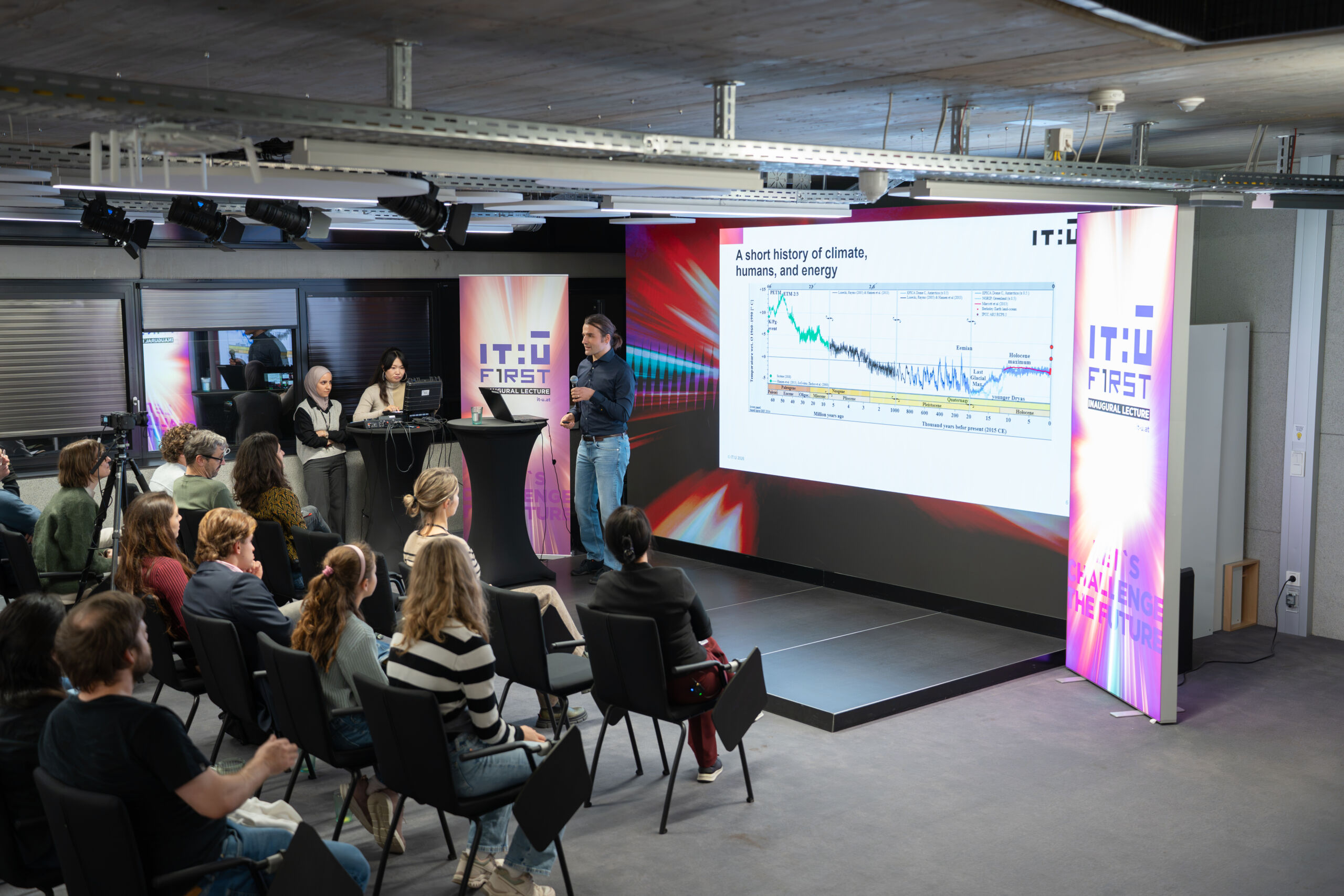
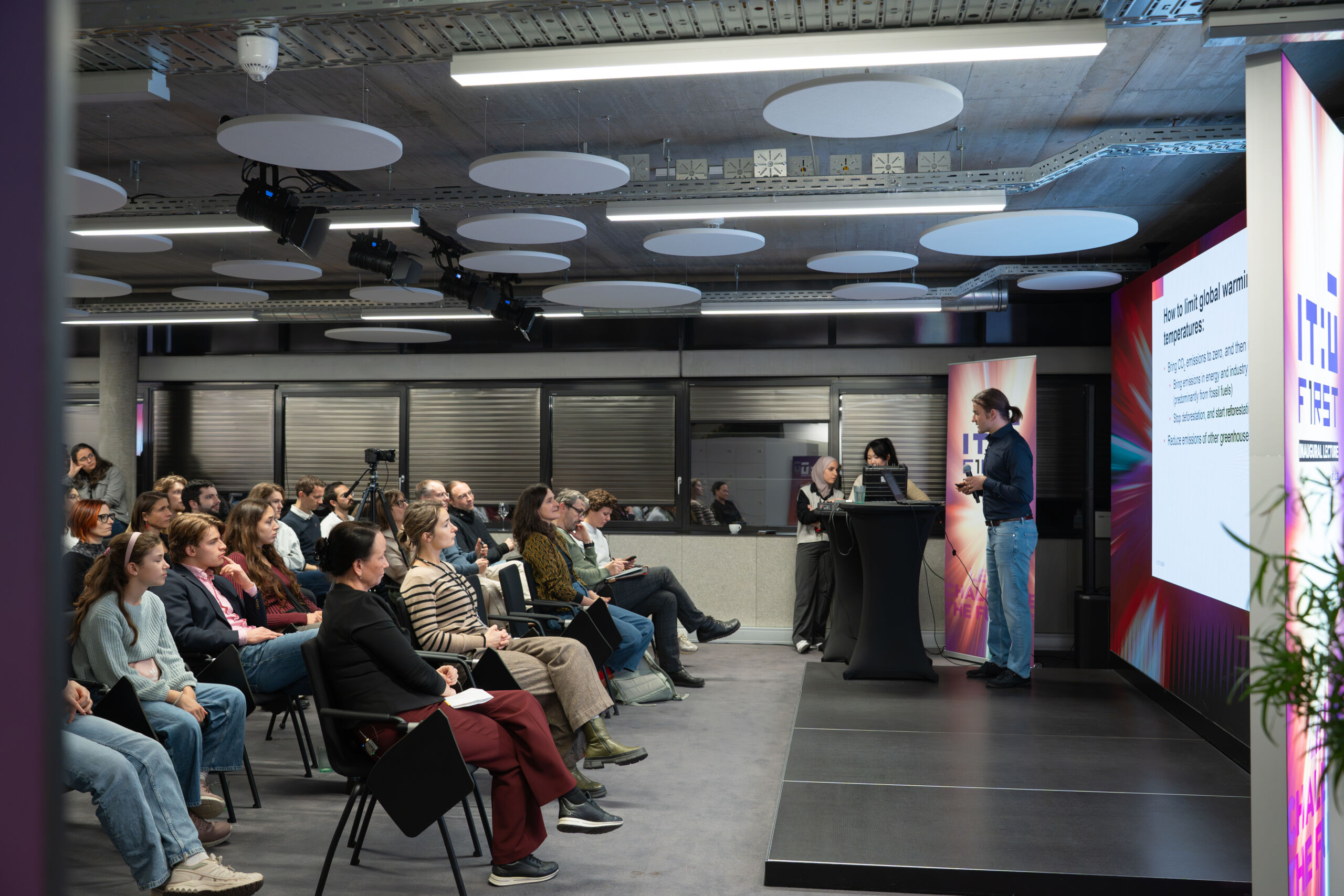
At his First Lecture, Christoph Bertram, new IT:U Professor of Global Energy System and Policy Analysis, has said the global shift to renewables has been faster and broader than many experts once thought possible.
“Renewable energy, particularly solar and wind, was deployed far more quickly than almost anyone expected 10 or 15 years ago.”
And the transition is not limited to developed nations. China, Pakistan and many African nations are also rapidly embracing renewables and electric mobility.
“Solar has grown much faster than expected. One reason is that solar is a remarkably simple technology to deploy; that simplicity has helped drive its adoption and spread.“
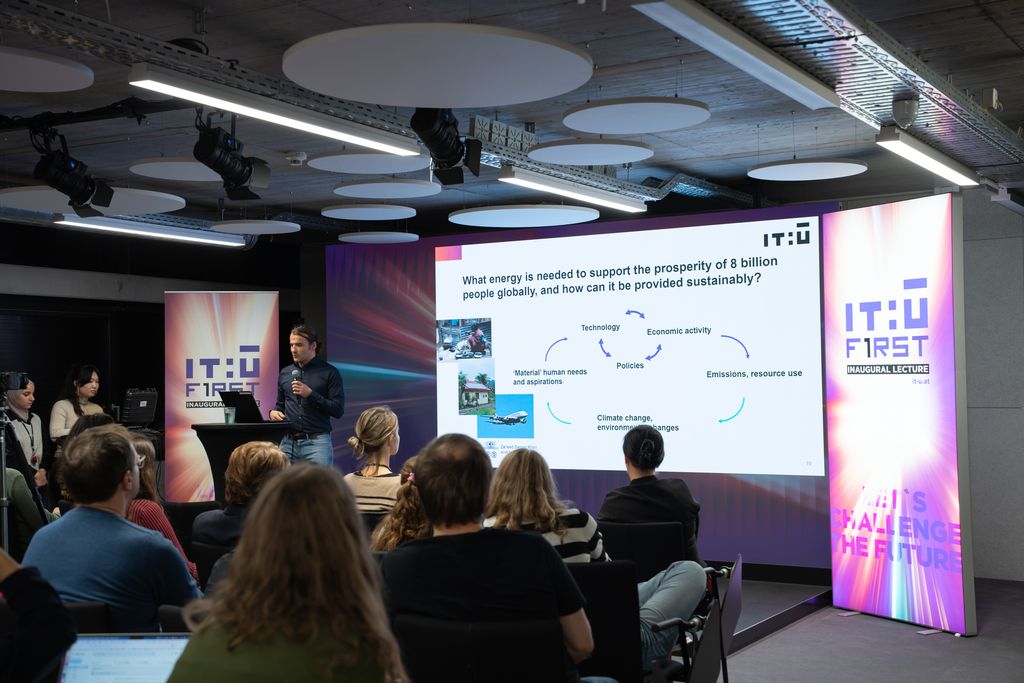

Challenge not just technological
But while the uptake has been better than expected, cutting emissions remains a global challenge.
“The technologies are available,” says Professor Bertram, “the challenge is how quickly societies can deploy them and avoid becoming locked into high-emission infrastructure and technologies.
He argues the main obstacle “is no longer primarily technological; it is also political, economic, and institutional”, and it has become more difficult to explain why countries choose different energy policies.
China’s push into electric mobility illustrates his point, as climate concerns were only part of the motivation.
Electric mobility, he says, helped China improve its air quality, while also strengthening its economy by reducing dependence on imported oil and creating new opportunities for export industries
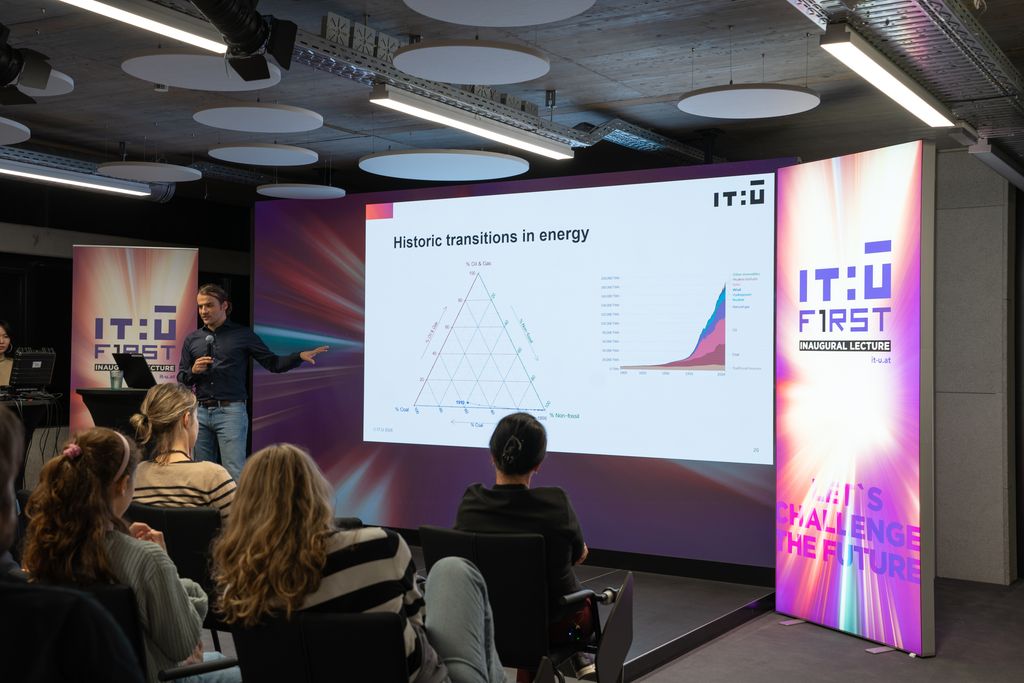
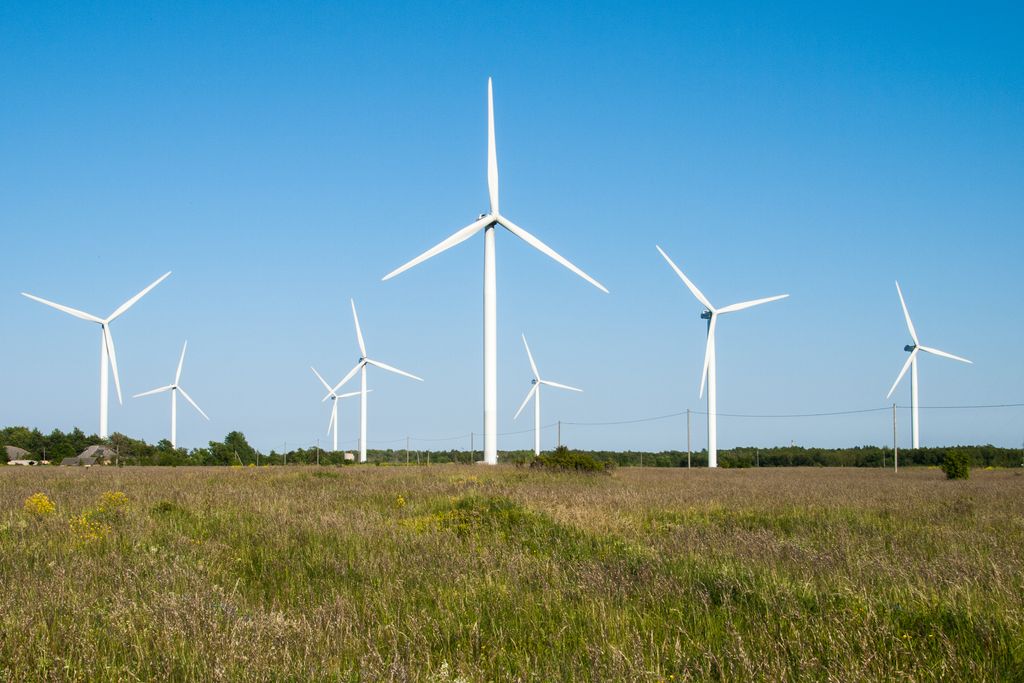
Another example is from the United States, where the uptake of solar, wind and electric mobility have in some areas been slower than elsewhere, with “political factors playing an important role”, Professor Bertram stresses.
One notable exception is the U.S. state of Texas. Despite its reputation as an oil and gas state, it is overtaking traditionally liberal states, such as California, in solar and wind.
For Professor Bertram, this shows how economic incentives can outweigh political differences once renewables become the cheapest source of electricity.
Austria’s outlook
Having moved to IT:U from the U.S. recently, his plan is to also look at the green transition in Upper Austria and Austria.
While he still needs to set-up his team to provide explicit modeling for Austria, he says, “some of the important next steps of the transition may actually be easier than many expected”.
Nevertheless, he says, achieving climate neutrality in Austria by 2040 remains a significant challenge.
Stefanie Lindstaedt, Founding President of IT:U, says his research reflects the university´s ambition to bring together expertise across disciplines to better understand complex transformation processes and provide a sound basis for future decisions.
“Understanding the energy transition requires us to look beyond individual disciplines and consider how technology, economic incentives, and policy interact. Through the endowed professorship for Christoph Bertram, IT:U is bringing international expertise to Linz. This strengthens the scientific foundation for better anticipating economic developments and supporting forward-looking decisions in the fields of the energy transition, industry and infrastructure.”
The way forward
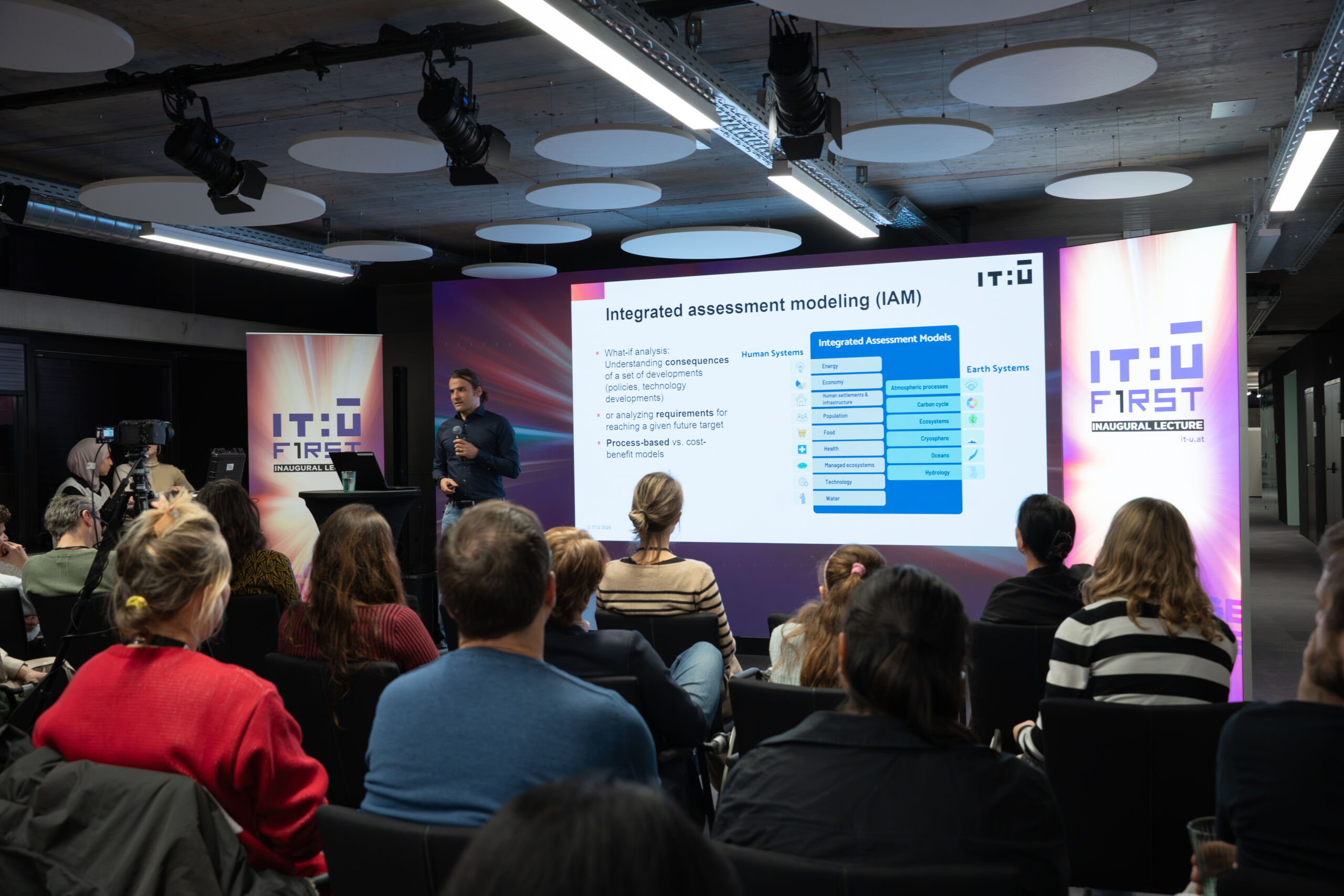
Professor Bertram uses scenario modeling to explore how different choices could shape the world up to 2100.
He has worked in this space for 15 years and says the most important lesson is that the future remains open.
“There is no automatic path to either climate catastrophe or a successful transition. The choices we make today shape the options available tomorrow.”
And managing those political and economic tensions, he says, remains one of the greatest difficulties.
Despite the challenges, Professor Bertram remains cautiously optimistic.
With the right political decisions, he believes the next stages of the energy transition could happen faster than many expect.
Drawing parallels with human history over thousands of years, he emphasizes how “again and again, people have found ways to innovate and thus change the trajectory in unexpected ways”.